Why Annual DOT Inspections Matter for Your Fleet
Managing a fleet of vehicles involves more than just ensuring they are fueled and ready to go. One crucial aspect of fleet management that often goes underappreciated is the annual Department of Transportation (DOT) inspection. This mandatory inspection is not only a regulatory requirement but also a cornerstone of fleet safety and efficiency.
By understanding the importance of these inspections, fleet managers can ensure compliance and maintain a high standard of safety for their drivers and vehicles. Let’s explore why annual DOT inspections matter and how they can benefit your fleet in the long run.

Ensuring Safety and Compliance
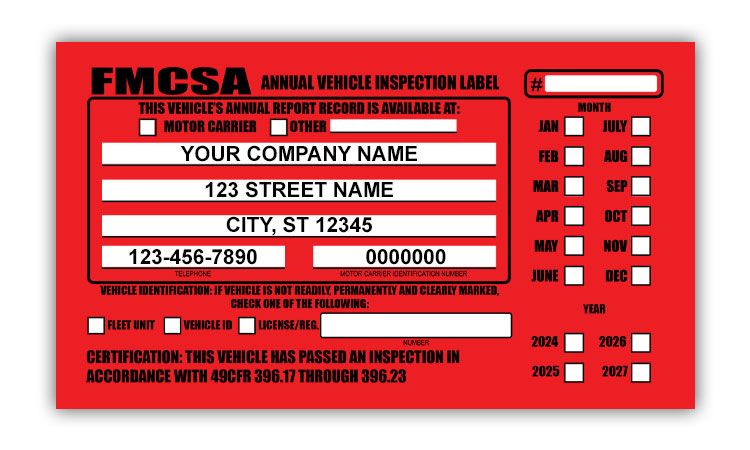
The primary reason for annual DOT inspections is to ensure that all commercial vehicles meet safety standards set by the government. These inspections are designed to identify potential mechanical issues or safety hazards that could lead to accidents. Addressing these issues proactively can prevent costly repairs and improve overall road safety.
Compliance with DOT regulations is not optional. Failing to adhere to these standards can result in significant fines and penalties. Regular inspections help fleet managers stay on top of compliance requirements and avoid unnecessary legal complications.
Improving Fleet Efficiency
Regular inspections can also enhance the efficiency of your fleet. By identifying and fixing issues early, vehicles can operate more smoothly, reducing downtime and improving productivity. A well-maintained fleet is a reliable fleet, which directly contributes to your business's bottom line.
Moreover, efficient vehicles consume less fuel, reducing operational costs. This efficiency not only benefits the environment but also allows your business to allocate resources more effectively. In the long run, investing in regular inspections can lead to substantial cost savings.
Protecting Your Reputation
Your fleet is a reflection of your business. Maintaining a fleet that is in excellent condition shows your commitment to safety and quality. This can significantly enhance your company's reputation among clients and partners. A well-maintained fleet demonstrates professionalism and reliability.
Moreover, a strong safety record and compliance with regulations can serve as a valuable marketing tool, attracting more clients who value safety and reliability in their logistics partners.
Steps to Prepare for DOT Inspections
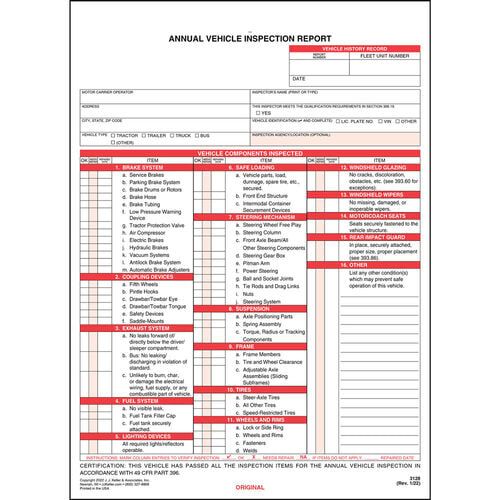
Being prepared for a DOT inspection involves several steps:
- Regularly conduct pre-trip inspections to catch issues early.
- Keep detailed maintenance records for each vehicle.
- Ensure all drivers are trained and knowledgeable about inspection requirements.
- Schedule annual inspections in advance to avoid last-minute rushes.
By following these steps, fleet managers can ensure a smooth inspection process and maintain compliance with DOT regulations.
Conclusion
Annual DOT inspections are more than just a regulatory obligation; they are an essential part of fleet management. They ensure safety, enhance efficiency, protect your company's reputation, and ultimately contribute to the success of your business. By prioritizing these inspections, you safeguard your fleet, drivers, and the public, while positioning your company as a leader in the industry.